
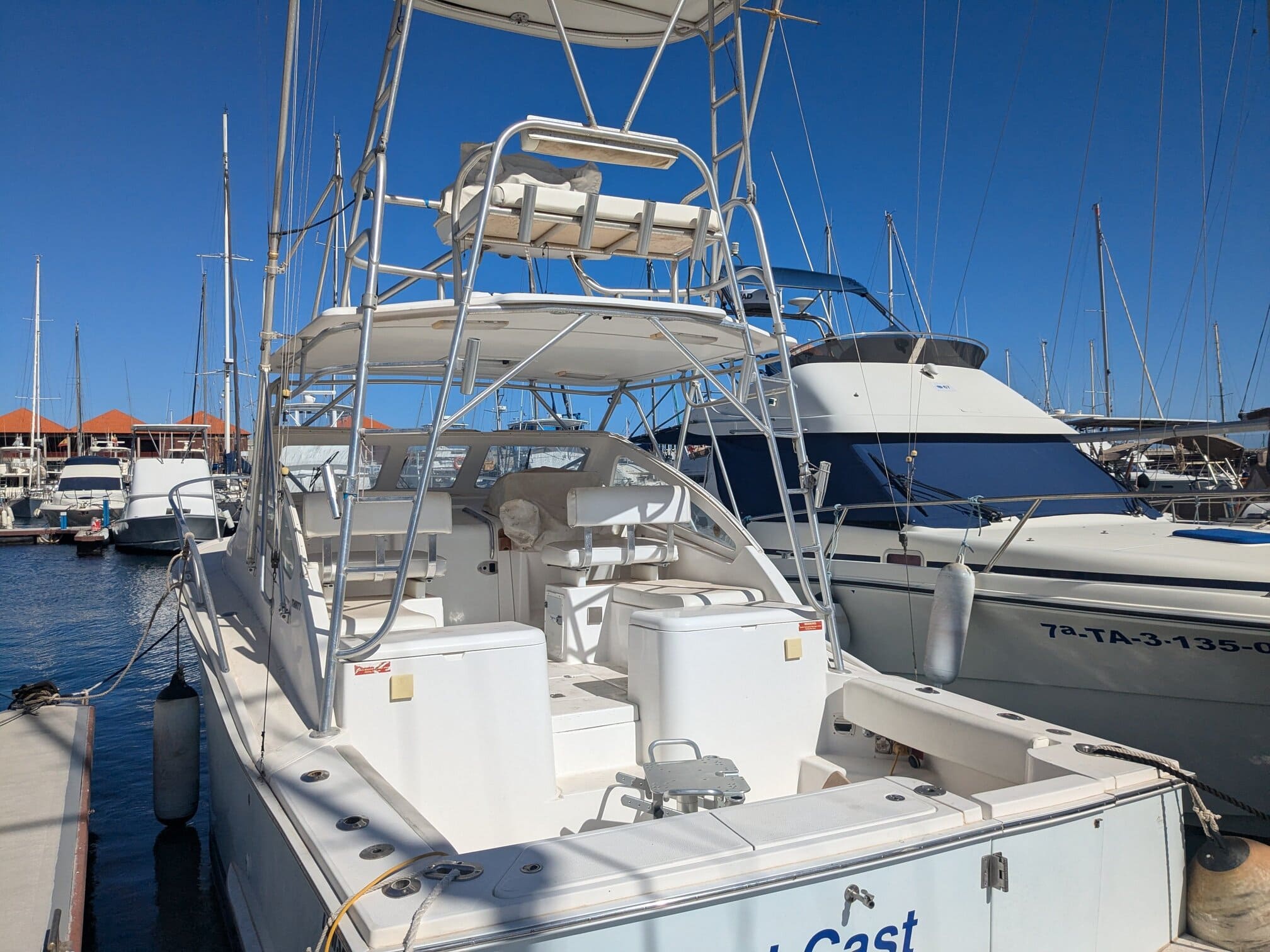
Recognizing the Signs That Something Is Wrong
Many boat owners put off addressing problems until they become serious, but catching issues early is what separates a minor fix from a costly overhaul. Whether you’re dealing with a strange vibration at speed, a bilge pump that runs constantly, or a hull that feels sluggish in the water, these are all signals worth investigating. Getting a proper boat repair done at the right time can save you significantly in both money and downtime on the water.
Common warning signs include unusual engine noises, difficulty steering, electrical gremlins like flickering gauges or lights that won’t stay on, and visible cracking or blistering on the hull. Any one of these warrants a closer look before your next outing.
Hull Damage: More Serious Than It Looks
The hull is your boat’s first and most critical line of defense against the water. Osmotic blistering — small bubbles that form beneath the gelcoat on fiberglass hulls — is one of the most common problems boat owners encounter. Left untreated, moisture works its way deeper into the laminate and compromises structural integrity.
Minor surface scratches and scuffs can often be polished out or filled with gelcoat, but deeper gouges, stress cracks around fittings, or soft spots in the hull floor are jobs for a professional. A repair shop will typically grind out the damaged area, re-laminate with fiberglass cloth and resin, and refinish the surface to match the surrounding gelcoat. The process takes time and skill, and shortcuts here can lead to recurring problems.
Engine and Mechanical Repairs: Know Your Limits
Outboard and inboard engines are complex systems, and while experienced boaters can handle routine maintenance like changing impellers, replacing spark plugs, or flushing the cooling system, deeper mechanical issues are best left to a certified marine technician.
Overheating is one of the most common engine complaints. It’s often caused by a failed water pump impeller, a blocked cooling passage, or a faulty thermostat. Ignoring an overheating engine even briefly can warp cylinder heads or cause serious internal damage. Similarly, if your engine bogs down under load, runs rough at idle, or won’t trim properly, a diagnostic check from a qualified technician is the right first step.
For sterndrive and inboard systems, bellows and gimbal bearings are wear items that need periodic inspection and replacement. A failed bellows can allow water into the bilge or transmission housing — something that can sink a boat if left unaddressed.
Electrical Systems: A Hidden Source of Trouble
Marine electrical systems operate in a harsh environment — constant moisture, vibration, and salt exposure take a toll on wiring, connectors, and components. Corroded connections are the root cause of a surprising number of electrical problems, from dead bilge pumps to navigation lights that flicker.
If you’re troubleshooting electrical issues, always start at the battery connections and work outward. Check for green or white corrosion on terminals, cracked wire insulation, and loose grounds. Marine-grade wire, connectors, and fuse blocks are worth the extra cost when making any repairs.
Electrolysis and stray current corrosion are more serious concerns, especially for boats kept in the water. If you notice unusual pitting on your outboard’s lower unit, prop, or through-hull fittings, have a marine electrician assess the boat’s bonding system and check for stray current in the marina.
What to Expect When You Bring Your Boat to a Repair Shop
A reputable marine repair shop will start with a thorough inspection before providing an estimate. Be prepared to describe the symptoms in as much detail as possible — when they occur, under what conditions, and how long they’ve been happening. The more specific you can be, the faster a technician can diagnose the problem.
Estimates should itemize both parts and labor. Marine labor rates vary by region and by the type of work, so it’s reasonable to get a second opinion on larger jobs. Keep in mind that some repairs — particularly hull work or engine rebuilds — require the boat to be hauled out of the water, which adds haulout and storage fees to the overall cost.
Ask about turnaround time upfront, especially if you’re planning around a busy boating season. Good shops book up quickly in spring, so scheduling preventive maintenance in the off-season is a smart habit that keeps your boat ready when you want to use it.
Staying Ahead of Repairs with Routine Maintenance
The best way to minimize repair costs is consistent, scheduled maintenance. At a minimum, follow the manufacturer’s recommendations for engine service intervals, inspect your hull and running gear at each haulout, test your bilge pump and safety equipment regularly, and flush your engine thoroughly after use in saltwater.
Keeping a simple maintenance log — even a notebook — helps you track what’s been done and spot patterns before they become problems. A well-maintained boat is safer, more reliable, and holds its resale value far better than one that’s been neglected.